

 中文简体
中文简体 Português
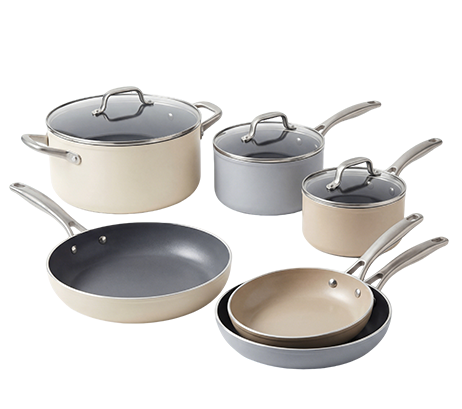
Our Aluminum Non-Stick Pan collection represents the perfect balance of lightweight construction, efficient heat performance, and everyday practicality. Manufactured using high-quality aluminum, these...
See DetailsAluminum Cookware Design Shifts Toward Practical Everyday Cooking
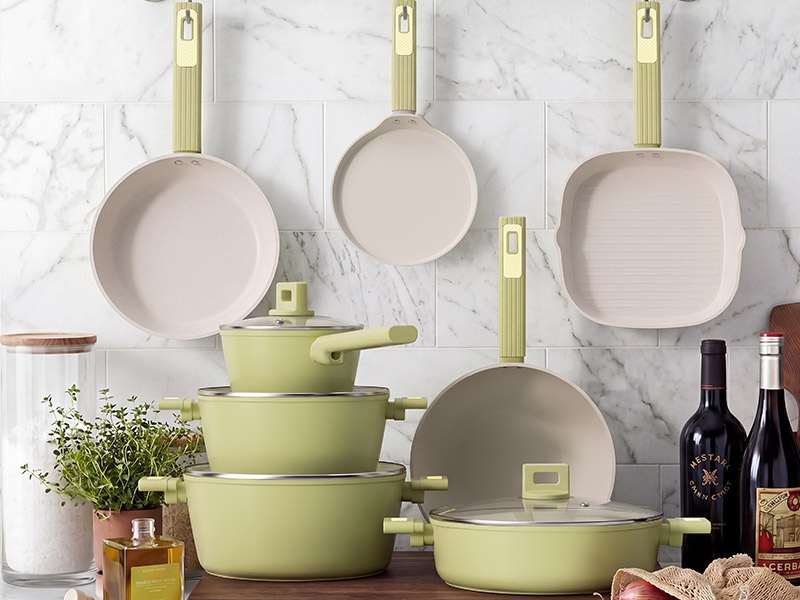
Aluminum Cookware is becoming more closely connected with the way people actually cook at home. Buyers are no longer looking only at the shape of a pan or the appearance of a cookware set. They also want to know how quickly it responds to heat, how easy it is to clean, whether the surface suits their cooking habits, and how the product fits modern kitchens. For cookware manufacturers, these everyday concerns are influencing material selection, surface treatment, handle design, and compatibility requirements.
Heat Response Meets Daily Cooking
One practical reason aluminum remains useful in cookware is its ability to transfer heat efficiently. For home cooks, this can make a noticeable difference when preparing sauces, vegetables, eggs, or quick meals where temperature changes need to be controlled without making the cooking process complicated. During product development, manufacturers need to consider the relationship between aluminum thickness, base construction, pan shape, and heat distribution rather than treating the material alone as the selling point.
Surface Design Is Part of Product Planning
The cooking surface has become an important part of the buying conversation. Some users prefer coated aluminum cookware because food release and cleaning are convenient, while others are paying closer attention to coating composition and maintenance requirements. This has pushed manufacturers to communicate surface options more clearly. A practical product page should explain the intended cooking use, recommended utensils, cleaning method, and care requirements instead of relying on vague claims about performance.
Induction Compatibility Needs Attention
Induction cooking has also changed how cookware is specified for overseas markets. Standard aluminum by itself is not naturally magnetic, so cookware intended for induction cooking generally requires a suitable magnetic base construction. During OEM development, this detail should be confirmed early because the base affects not only compatibility but also weight, heating behavior, production processes, and overall product positioning.
Handles and Storage Affect Real Use
A pan can perform well on the stove and still be inconvenient in a busy kitchen if the handle feels awkward or storage becomes difficult. Manufacturers therefore pay attention to handle attachment, grip shape, balance, stacking, and available cabinet space during product development. For retailers and importers, these details can also influence customer feedback after purchase because they directly affect how often the cookware is used.
Cleaning Should Match the Product Position
Cleaning requirements are another point that deserves clearer communication. A non-stick aluminum frying pan, a hard-anodized cooking pot, and an untreated aluminum item may require different care. Manufacturers should provide instructions that match the actual surface rather than using one generic cleaning recommendation across an entire product range. Clear care guidance can reduce misuse and help buyers understand the difference between product types before placing bulk orders.
OEM Development Starts With Usage
For overseas buyers, cookware customization is not simply about adding a logo. Product development can involve pan dimensions, surface treatment, lid structure, handle materials, packaging, color, and compatibility with different cooking systems. As a manufacturer, we work from the intended market and cooking scenario first, then coordinate these details into a practical product specification. This approach helps private-label buyers avoid adding features that do not solve a real customer need.
Practical Cookware for Modern Kitchens
The direction of Aluminum Cookware is increasingly tied to practical kitchen habits rather than appearance alone. Buyers are looking for products that are comfortable to handle, simple to maintain, suitable for their cooking equipment, and clear about materials and care. For overseas retailers and professional buyers, choosing a cookware partner that understands these details can make product development more consistent from the first sample through regular production.
Related products
-
-
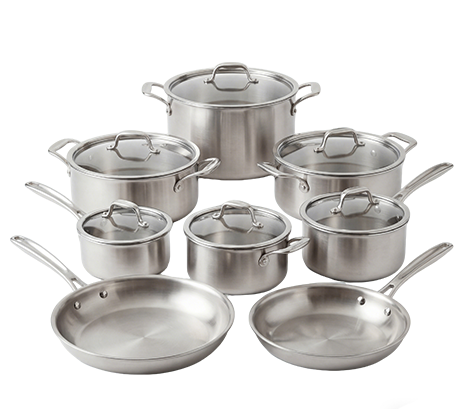
Our Tri-Ply Stainless Steel Non-Stick Pan series is designed for customers who demand premium durability and professional-level cooking performance. Featuring a tri-ply construction—stainless steel ex...
See Details -
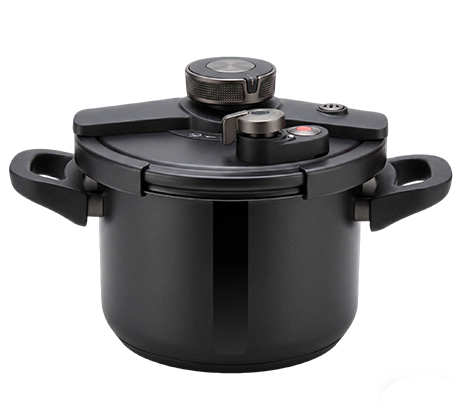
Our Aluminum Pressure Cooker series is engineered for fast, energy-efficient cooking while maintaining structural integrity and user-friendly design. Constructed from high-strength aluminum, these pre...
See Details -
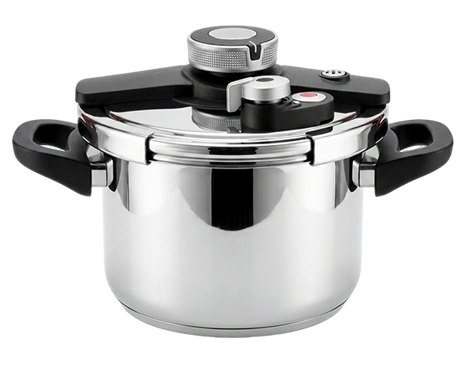
Our Tri-Ply Stainless Steel Pressure Cooker collection combines durability, advanced heat control, and modern engineering. Built with a tri-ply structure—stainless steel exterior layers bonded with an...
See Details
Get Your Free Design.
We will respond patiently and meticulously to any inquiries.

contact us
 Shentang Village, Baiyang Industrial Zone, Baiyang Town, Wuyi County, Jinhua City, Zhejiang Province, China

 +86-15869262626
+86-15888909877
PRODUCTS
OUR COMPANY
QUICK LINKS
Copyright © Zhejiang Lechu Industry & Trade Co., Ltd. All Rights Reserved.

OEM Cookware Factory